Finding the Right HVAC Installer Near Me: What You Need to Know
Finding the Right HVAC Installer Near Me: What You Need to Know
Blog Article
Having a well-functioning HVAC system is key to ensuring comfort in your home or workplace during temperature variations. HVAC stands for Heating, Ventilation, and Air Conditioning, and it includes a comprehensive set of services designed to maintain optimal indoor conditions. Whether you require installation, ongoing maintenance, or emergency repair services, being informed about these options can greatly aid in selecting the right expert assistance. For more personalized HVAC solutions tailored to your situation, you can contact us for additional details. In this article, we will look at the range of HVAC services you could need, tips on how to select an HVAC contractor, and insights into related costs. By the conclusion, you’ll be equipped with a better understanding of how to manage your heating and cooling needs, ensuring your indoor spaces remain comfortable year-round at the official site. Keeping your HVAC system in optimal condition requires careful attention to both routine maintenance and service provider selection. Tips for Selecting HVAC Services
HVAC services
Understanding HVAC Services
HVAC services consist of a range of functions necessary for maintaining air quality and thermal comfort in various settings, including homes, offices, and industrial complexes. These services are typically divided into three main categories: heating, ventilation, and air conditioning. Heating services may involve furnace installations and repairs, while air conditioning services include installation, repairs, and maintenance of cooling systems. Moreover, ventilation services focus on the quality of air circulating within a building and may incorporate duct cleaning and assessments of air quality.
Specialized HVAC technicians typically provide these services, and they are trained to handle intricate systems that require precision and expertise. Regular maintenance of HVAC systems not only enhances efficiency but also prolongs equipment longevity. This proactive approach can save homeowners significant costs associated with emergency repairs or replacements.
Common HVAC Systems and Their Components
Various types of HVAC systems exist today, with differing configurations depending on the structure and nature of the spaces they service. The most common systems include central air conditioning systems, heat pumps, ductless mini-split systems, and furnace systems. Central air systems typically have ductwork that circulates conditioned air throughout the building. Heat pumps serve both heating and cooling functions, making them versatile and energy-efficient.
On the other hand, ductless mini-split systems offer flexibility and energy efficiency by allowing targeted temperature control in individual rooms. Furnaces work primarily for heating and often feature various fuel types, including gas, oil, and electricity. Understanding the types of systems available can guide you in selecting the right solution for your home.
Choosing the Best HVAC Technician
Selecting a dependable HVAC technician is vital for ensuring effective installation and ongoing maintenance of your system. Begin your search by gathering recommendations from friends, family, or reputable online reviews. Focus on licensed and insured professionals who have established experience with HVAC systems like yours. A reliable technician should readily supply references from previous clients and be eager to answer any questions regarding the HVAC services they provide.
Verify the technician’s credentials to ensure they comply with local laws and building codes. Request itemized quotes for services to sidestep unexpected charges; clear pricing is a sign of trustworthy technicians. Furthermore, inquire about maintenance plans that help to keep your system operating efficiently throughout the year. This can be an advantageous aspect, as regular maintenance plays a crucial role in minimizing costly repairs and maximizing energy efficiency.
Pricing for HVAC Services Explained
The pricing for HVAC services varies greatly depending on several factors, such as how complex the installation is, the dimensions of your property, the specific type of HVAC system being installed or repaired, and your local area. Typically, the cost of having a new HVAC system installed can range from $3,000 to over $12,000, largely based on these considerations. These installation expenses usually encompass both the equipment costs and the labor needed to properly set up the system within your current infrastructure.
For ongoing maintenance, prices generally range from $75 to $150, influenced by the details of the services performed. On top of that, repair expenses can extend from $100 to several hundred dollars, depending on the nature of the issue and which components are involved. When creating a budget for HVAC services, it’s important to include both the initial outlay and potential future savings from improved energy efficiency. Consistently high utility bills may suggest that an HVAC system upgrade or maintenance is necessary.
For further financial planning insights, review HVAC services on HVAC, which presents essential information about cost factors and service alternatives.
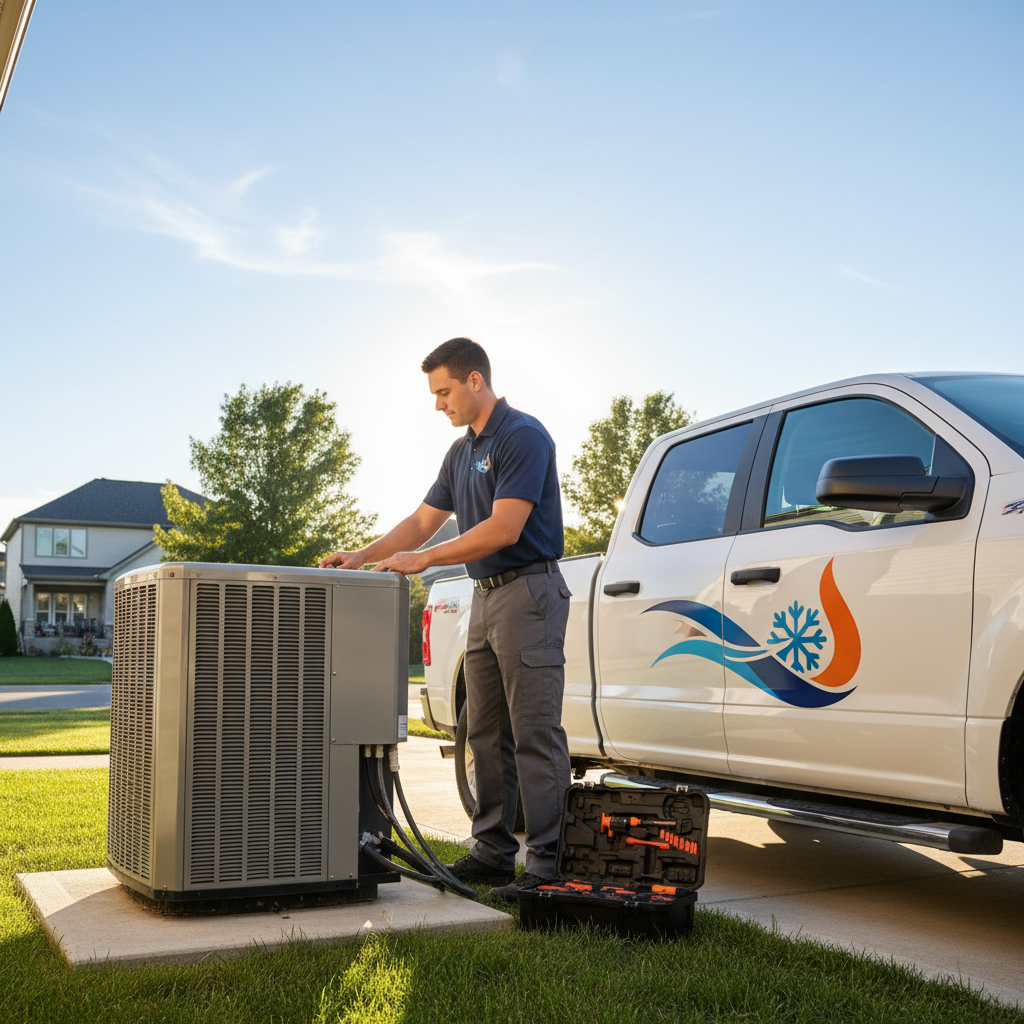 richardson top air conditioning servicesHVAC services
Frequently asked questions
What is HVAC services?
HVAC services refer to the range of systems and solutions designed to manage heating, ventilation, and air conditioning for residential and commercial buildings, ensuring comfort and air quality.
How do I choose a HVAC services provider?
Choose an HVAC services provider by verifying credentials, seeking recommendations, comparing quotes, checking reviews, and assessing their experience with similar systems.
How much does HVAC services cost?
HVAC services costs vary depending on the services required, the type of system, and the complexity of installation, typically ranging from $75 to $12,000 for comprehensive services.
Grasping the significance of HVAC services is crucial for ensuring comfort within your living spaces. Choosing a skilled contractor and following proper maintenance routines can lead to an HVAC system that operates effectively all year long.
By implementing the right strategies, you can keep your home or workplace warm in the winter and pleasantly cool in the summer, all while utilizing energy wisely.